
How to Plan Meals Using Pantry Staples for Easy Cooking
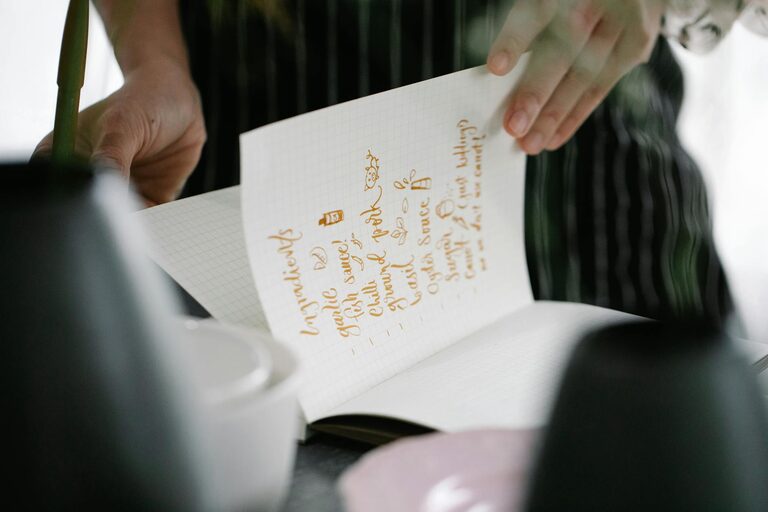
Planning meals from pantry staples is a smart way to make cooking easier, save money, and reduce food waste. Your pantry holds a treasure trove of ingredients that can form the base of countless meals if you know how to use them creatively. Whether you’re short on time, fresh groceries, or simply want to rely on what you already have, meal planning from pantry staples can be a game-changer. In this guide, we’ll walk you through how to organize your pantry, select versatile ingredients, and build delicious meals with confidence.
Why Plan Meals from Pantry Staples?
Planning meals around pantry staples comes with several benefits:
– Convenience: No last-minute trips to the store when you know what’s on hand.
– Cost-effectiveness: Pantry staples tend to be less expensive and store well.
– Less waste: Using what you have helps prevent food from going bad.
– Creativity: Encourages you to experiment with flavors and combinations.
With a little planning, your pantry can become the starting point for a variety of satisfying meals.
Step 1: Organize Your Pantry for Easy Access
Before you start planning meals, it’s important to know what you have. Spend some time organizing your pantry:
– Group similar items together: For example, place all canned goods on one shelf and grains on another.
– Check expiration dates: Toss expired items and note ingredients that need to be used soon.
– Create zones: Designate spaces for baking supplies, snacks, spices, and sauces.
– Keep an inventory list: A simple list on your fridge or phone can help you track staples.
This organization makes meal planning faster and ensures nothing gets overlooked.
Step 2: Identify Your Pantry Staples
Pantry staples are the basic ingredients you often keep stocked because they have a long shelf life and are versatile. Common staples include:
– Grains and pasta: Rice, quinoa, pasta, couscous, oats
– Legumes: Canned or dried beans, lentils, chickpeas
– Canned goods: Tomatoes, vegetables, tuna, broth
– Baking essentials: Flour, sugar, baking powder, yeast
– Oils and vinegars: Olive oil, vegetable oil, apple cider vinegar
– Spices and herbs: Salt, pepper, paprika, cumin, oregano, basil
– Condiments: Soy sauce, mustard, hot sauce, peanut butter
– Nuts and seeds: Almonds, walnuts, chia seeds
Having these basics on hand allows you to combine them in many ways for balanced meals.
Step 3: Plan Balanced Meals Using Pantry Ingredients
A balanced meal usually includes a source of carbohydrates, protein, vegetables or fruits, and healthy fats. Here’s how to do this with pantry items:
Choose a Base Carbohydrate
Start with grains, pasta, or legumes:
– Cook rice or quinoa with broth for added flavor.
– Prepare pasta with olive oil or a simple tomato sauce.
– Use lentils or beans as a base for soups or stews.
Add Protein Sources
Pantry staples can cover protein needs in vegetarian and non-vegetarian meals:
– Canned tuna, salmon, or chicken
– Beans, lentils, or chickpeas
– Nuts and seeds sprinkled on dishes or blended into sauces
Incorporate Vegetables and Fruits
Use canned or frozen vegetables and fruits if fresh is unavailable:
– Canned diced tomatoes work well in sauces and stews.
– Frozen peas, spinach, or mixed veggies add nutrition and color.
– Dried fruits like raisins or apricots can add sweetness to savory dishes.
Include Healthy Fats and Flavorings
Use oils, nuts, and spices to elevate your meals:
– Olive oil or sesame oil for cooking or finishing dishes
– Spices like cumin, smoked paprika, and chili powder for depth
– Fresh or dried herbs for fragrance and taste
Step 4: Sample Pantry-Based Meal Ideas
To inspire your meal planning, here are some easy recipes using pantry staples:
1. One-Pot Lentil Soup
– Lentils
– Canned diced tomatoes
– Vegetable broth (powdered or canned)
– Onion and garlic powder
– Spices: cumin, thyme, salt, and pepper
Simmer lentils with broth, tomatoes, and spices until tender. Add a splash of olive oil before serving.
2. Tuna Pasta Salad
– Pasta
– Canned tuna
– Olive oil and vinegar dressing
– Canned corn or peas
– Black pepper and dried herbs
Cook pasta, toss with tuna, veggies, and dressing for a quick meal.
3. Chickpea Curry
– Chickpeas
– Coconut milk (canned)
– Curry powder or paste
– Canned tomatoes
– Rice or naan bread
Sauté spices, add chickpeas, tomatoes, and coconut milk. Simmer and serve with rice.
4. Rice and Beans Bowl
– Rice
– Black or kidney beans
– Canned corn
– Salsa or hot sauce
– Avocado (optional if available)
Combine cooked rice, beans, and corn, season, and top with salsa for a filling bowl.
Step 5: Tips for Keeping Pantry Meal Planning Successful
– Rotate your stock: Use older items first and replenish essentials regularly.
– Keep a “meal idea” list: Jot down successful recipes or combinations.
– Batch cook: Prepare large meals and freeze portions.
– Use leftovers creatively: Turn last night’s dinner into a new dish the next day.
– Experiment with spices: Adjust flavors to keep meals interesting.
Conclusion
Meal planning from pantry staples is a practical skill that saves time, money, and stress. With an organized pantry and some creativity, you can whip up tasty, balanced meals anytime. Start by taking stock of your staples and use this guide to transform simple ingredients into nourishing dishes your whole family will enjoy.
Remember, the pantry is not just a storage space but a foundation for great meals. Happy cooking!