
Practical Ways to Reduce Food Waste at Home Every Day
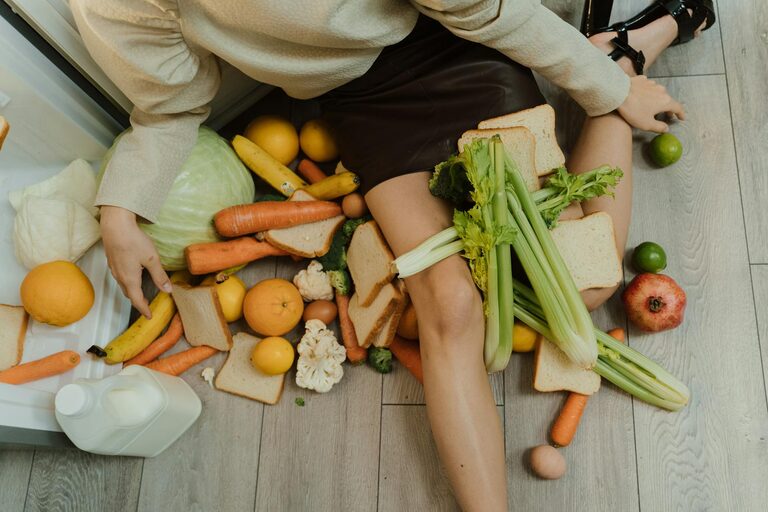
Reducing food waste at home is a win-win: it saves money, cuts down on environmental impact, and helps create a more mindful household. With fresh food often spoiling before it’s used, many of us throw away more than we realize. Fortunately, there are plenty of straightforward ways to prevent this from happening. Here’s a comprehensive guide on how you can reduce food waste in your daily routine.
Why Reducing Food Waste Matters
Food waste has far-reaching consequences. When food is wasted, all the resources used to produce it — like water, labor, and energy — are lost as well. Moreover, discarded food contributes to landfill mass where it produces methane, a potent greenhouse gas. By minimizing waste, you not only stretch your budget but also lighten your environmental footprint.
Plan Your Meals Ahead
Create a Weekly Menu
One of the best ways to avoid buying more food than you need is to plan your meals in advance. Decide what you’d like to eat each day and create a shopping list accordingly.
– Helps avoid impulse buying
– Ensures you buy only what you’ll use
– Makes meal preparation easier and faster
Check Your Pantry and Fridge First
Before heading to the store, take stock of what you already have. This helps prevent purchasing duplicates that might later go unused.
Smart Shopping Habits
Buy Loose or Smaller Quantities
Instead of buying pre-packaged or bulk items, opt for loose fruits, vegetables, and smaller portions that you can actually consume before they spoil.
Choose Versatile Ingredients
Ingredients that can be used in multiple dishes give you more flexibility and reduce the chance of leftovers going bad.
Proper Food Storage Techniques
Know Which Foods Go Where
– Refrigerator: Dairy, cooked meats, fresh fruits and veggies (check specific storage needs)
– Pantry: Dry goods like rice, pasta, and canned foods
– Freezer: Leftovers, bread, meats, and certain fruits/vegetables
Proper storage slows spoilage and extends shelf life.
Use Clear Containers
Transparent containers help you easily see what food you have, reducing forgotten items that turn bad.
Label and Date Leftovers
Keep track of when you stored items so you can prioritize eating older foods first.
Maximize Use of Leftovers
Reinvent Leftover Meals
Get creative to transform leftovers into new dishes. For example:
– Roast vegetables can be turned into soups or frittatas
– Stale bread can become croutons or breadcrumbs
Portion Control
Serve or cook in appropriate portions to reduce the likelihood of uneaten food.
Monitor Expiration Dates Wisely
Understand “Best Before” vs “Use By”
– Best Before: Quality indicator; food may still be safe to eat after this date
– Use By: Safety indicator; do not consume after this date
This knowledge can help reduce unnecessary discarding.
Practice “First In, First Out” (FIFO)
Arrange your fridge and pantry so older products are in front and used first.
Compost Food Scraps
Not all food scraps can be avoided, but composting reduces waste sent to landfills and enriches your garden soil.
– Collect fruit and vegetable peelings, coffee grounds, and eggshells
– Avoid composting meat or dairy that can attract pests
Involve the Whole Family
Encouraging family members to contribute ideas and take responsibility makes reducing food waste a shared effort.
– Teach kids about food value
– Make food-saving fun with challenges or rewards
Additional Tips
– Freeze leftovers instead of tossing them
– Save excess fruits for smoothies or jams
– Use apps that help track food inventory and suggest recipes
Conclusion
Reducing food waste at home is easier than it seems and benefits both your wallet and the planet. By planning meals, shopping smartly, storing food carefully, and making use of leftovers, you can significantly cut down on waste. Start incorporating these habits gradually, and you’ll likely notice positive changes in how you manage food every day.
—
By adopting these practical steps, your home can become a model of sustainability, reducing food waste one meal at a time. Happy cooking and saving!